Not all frames are created equal — and neither are faces. Discover which frame shapes bring out your best features, and which ones to skip.
6 Face Shapes · Frame Recommendations · Style Tips
Follow these simple steps before shopping — knowing your shape makes all the difference.
Tie your hair away from your face so the full outline of your forehead, cheekbones, jawline, and chin is visible.
Look straight ahead. You can also trace the outline of your face on a mirror with a dry-erase marker for a clearer picture.
Note the width of your forehead, cheekbones, and jawline, plus the overall length of your face from hairline to chin.
Compare your proportions to the six shapes below. Remember — most people are a blend of two shapes, so pick the closest one.
Find your face shape below and explore the frame styles that complement it best.
Oval faces are slightly longer than they are wide, with a forehead that's gently broader than the jaw and softly curved cheekbones. This balanced shape is considered the most versatile — almost any frame style flatters it.
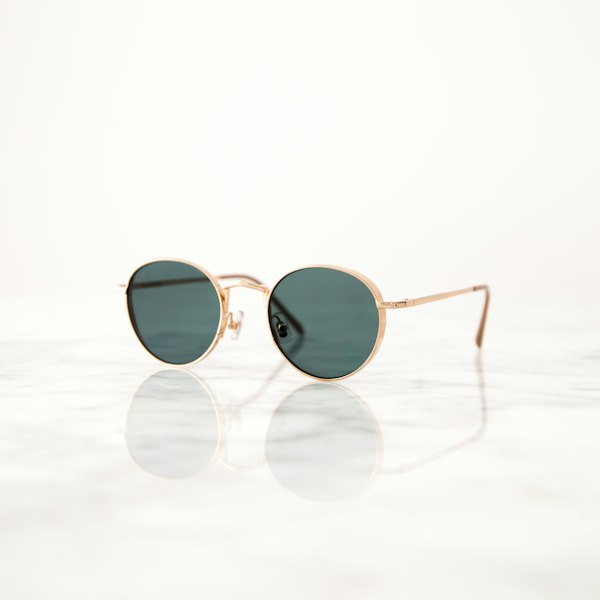
Round faces are nearly as wide as they are long, with full cheeks and a rounded chin. The goal is to add definition and length — angular, structured frames create the illusion of a more sculpted look.

Square faces feature a broad forehead, strong angular jawline, and roughly equal width cheekbones. Soft, curved frames beautifully contrast the face's sharp angles and add a gentle balance to the overall look.

Heart-shaped faces (also called inverted triangle) are widest at the forehead with high cheekbones narrowing to a pointed chin. Frames that are wider at the bottom help balance the proportions beautifully.

Diamond faces have narrow foreheads and jawlines with the cheekbones being the widest point. Frames that draw attention upward — like cat-eye or strong browlines — complement this unique and striking shape beautifully.

Oblong faces are noticeably longer than they are wide, with a long straight cheek line and a slightly rounded chin. Wider frames with depth help add width to the face and shorten the appearance of its length.
Save this table when you head out shopping!
| Face Shape | Key Feature | Best Frame Styles | Avoid |
|---|---|---|---|
| Oval | Balanced, slightly long | Almost any style Wayfarers Cat-Eye | Oversized covering cheekbones |
| Round | As wide as it is long | Rectangular Square Angular | Round frames Tiny frames |
| Square | Strong, equal-width jaw | Round Oval Aviators | Square/angular frames |
| Heart | Wide forehead, narrow chin | Bottom-heavy Round Light-rimmed | Cat-Eye Heavy top bar |
| Diamond | Prominent cheekbones | Cat-Eye Oval Browlines | Narrow frames Boxy shapes |
| Oblong | Long, narrow face | Wide/deep frames Bold thick frames | Rimless Small frames |
Everything you need to know before choosing your perfect pair.
Pull your hair back and look directly into a mirror or take a straight-on selfie. Trace the outline of your face mentally (or literally on a mirror with a dry-erase marker) and measure the width of your forehead, cheekbones, and jaw, plus the overall length of your face. Compare these proportions to the six common shapes: oval, round, square, heart, diamond, and oblong. Most faces are a blend of two shapes — simply go with the closest match and choose frames accordingly.
Oval faces are generally considered the most versatile because their balanced proportions work well with almost every frame shape. However, even for oval faces, it's best to pick frames that are roughly as wide as the broadest part of the face to maintain visual harmony. That said, even non-oval faces can wear nearly any frame — personal style and confidence matter just as much as guidelines.
Frame colour is more about skin tone than face shape. Warm skin tones (golden, olive, or peachy undertones) look great in tortoiseshell, gold, caramel, and warm browns. Cool skin tones (pink, red, or bluish undertones) suit silver, black, dark grey, and jewel tones like navy or plum. Neutral undertones can pull off both warm and cool shades. For heart-shaped faces, lighter or translucent frames are often recommended because they draw less attention to a wider forehead.
Yes — frame width should generally match or be slightly wider than the widest part of your face. Frames that are too wide make the face look narrow; frames too small look disproportionate. The top of the frame should align with your brow line, and the bottom should not sit on your cheeks. For online shopping, always check the frame measurements (lens width + bridge + temple length) against your own measurements for the best fit.
Technically, similar shapes tend to emphasise — not balance — your natural features. Round frames on a round face can make the face appear rounder and shorter. That said, fashion rules are not rigid laws. Many style icons and influencers deliberately mix matching shapes for a bold, artistic look. If you love round frames, try a slightly angular or oval variant that has some horizontal width to add definition while still achieving that round aesthetic you love.
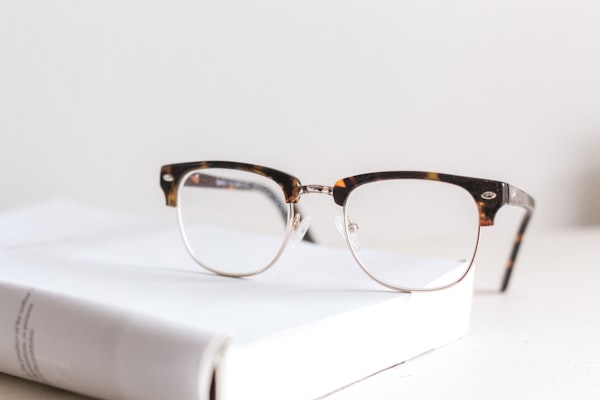
Diamond faces — the rarest shape — have narrow foreheads and jawlines with prominent cheekbones as the widest point. The best frames draw attention upward to the eye area and brow, helping to visually widen the forehead. Cat-eye frames are a classic choice, as are oval and semi-rimless styles. Browline or club-master frames also work wonderfully. Avoid very narrow or heavily angular frames that accentuate the pointy chin and sharp cheekbones without softening them.
Absolutely — the same principles apply to sunglasses. If rectangular frames suit your face shape for prescription glasses, rectangular sunglasses will flatter you too. The key difference is that sunglasses are often bolder in colour, lens tint, and design, so you may be able to experiment a bit more with statement styles. Oversized sunglasses tend to flatter most face shapes because of their dramatic proportions, but for the best results, still match the frame shape to your face shape guidelines.
These guidelines are a helpful starting point, not unbreakable rules. The most important factor is that you feel confident and comfortable in your frames. Personal style, lifestyle, and individual preference should always have the final say. Almost no one has a perfectly defined face shape — most people fall between categories. Use this guide to narrow down your options and find a flattering starting point, then try on multiple styles and trust your instinct. Confidence is the best accessory.
Join our newsletter for updates & offers